Ep 5. Let Me Know if You Need a Little Kindness


Grief, Kindness, and Community Care After Loss: What Showing Up Really Looks Like with Mindy Corporon
When grief enters a life without permission, most support systems fall back on vague kindness: “Let me know if you need anything.” It sounds generous, but it quietly transfers emotional labor onto the person least able to manage it. This conversation reframes what real support looks like during loss, caregiving, and trauma, arguing for clarity over platitudes, timing over urgency, and presence over fixing.
Mindy Corporon, Vice President of Strategic Development for Love Always, Co-founder of SevenDays, and CEO of Workplace Healing, shares how losing her father and son to a white supremacist attack in 2014 shattered her personal and professional life. Her experience highlights an uncomfortable truth: returning to normal after trauma is often unrealistic, especially when workplaces expect productivity without acknowledging loss.
Out of that devastation came a deliberate choice to reject hate and build something different. Mindy details how early acts of courage and kindness became the first ripples that led to SevenDays, a nonprofit focused on overcoming hate by promoting kindness and understanding through education and dialogue.
Mindy also explains how these lessons shaped Love Always, a platform designed to help grievers navigate emotional, legal, and financial decisions without being overwhelmed or marketed to. Rather than forcing people in crisis to sort through endless options, Love Always connects users with vetted, trusted resources. Across all of her work, Mindy returns to the same principle: small, specific acts of kindness matter, showing up later matters even more, and workplaces must become grief-literate if they want to retain people who are doing the invisible work of surviving loss.
Meet the Expert
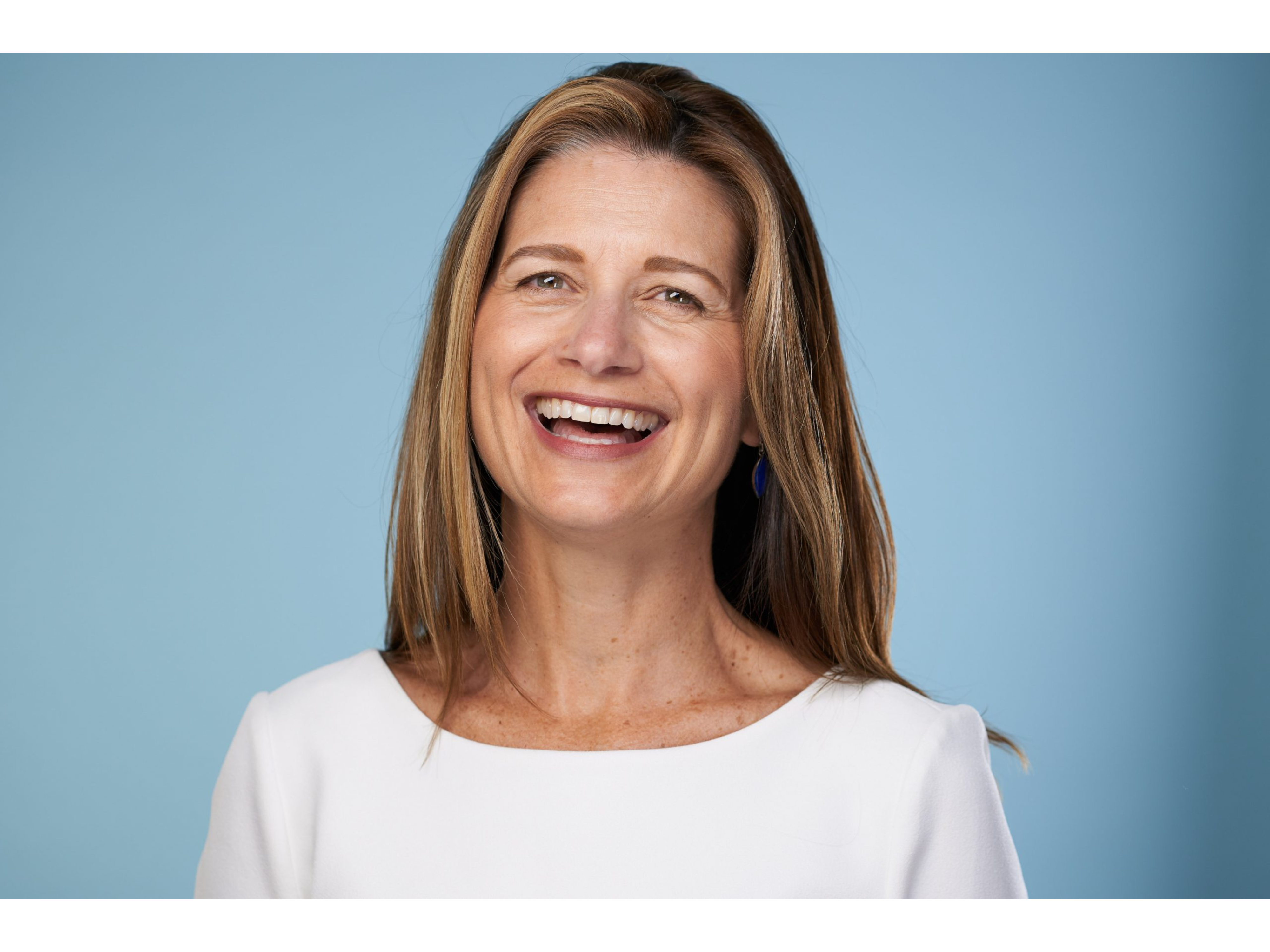
Mindy Corporon is an expert in grief-informed community care and healing-centered leadership. She is Vice President of Strategic Development at Love Always, Co-founder and CEO of Workplace Healing, a Board Member and Co-founder of SevenDays, and the author of Healing a Shattered Soul. Her perspective is rare because it blends lived experience, executive leadership, and real-world frameworks for showing up, especially when grief and caregiving reality collide.
The Big Idea
Support breaks down when it’s vague, performative, or outsourced to the person in pain. The opportunity is to replace abstract empathy with specific action, timed follow-through, and trusted pathways that reduce decision fatigue.
This includes:
- Community care that doesn’t require the grieving person to become a project manager.
- Workplace support systems that acknowledge grief, caregiver burnout, and survivorship identity.
- Kindness as a practice built through education, dialogue, and repeatable behaviors.
Key Takeaways
- Make support concrete and consumable. Offer specific help that removes friction (drop-off supplies, rides, errands). Don’t hand someone a blank form labeled “Tell me what you need.”
- Think in timelines, not bursts. The first week is crowded. The sixth month is quiet. Show up later when the absence gets louder.
- Avoid fixing energy. Real support is presence, not solutions. This is the Sidekick Support Model in practice: steady, practical, non-heroic help.
- Treat grief as a workplace reality, not a personal inconvenience. Leaders should be trained to respond to grief events and caregiving disruptions with empathy plus structure (not silence).
- Choose anti-performative empathy over platitudes. If “Toxic Positivity Bingo” had a free square, it would be “Everything happens for a reason.” Skip it. Do the useful thing instead.
Tools, Strategies, or Frameworks Mentioned
- Beyond the Casserole: A practical approach to support that prioritizes specific, useful help over symbolic gestures.
- Casserole Hotline: A shorthand for offering comfort in ways that actually reduce daily stress during a crisis.
- Late-Stage Support Calendar: A reminder system for showing up after the initial wave of support fades.
- Workplace Healing Lens: A grief-informed framework for helping employees return to work with dignity and support.
- Sidekick Support Model: A way of supporting someone without trying to fix, rescue, or manage their grief.
- Love Always Promise: A commitment to connecting grievers with vetted resources without upselling or overwhelm.
- Trusted-Pathway Model (Love Always): A curated support system that removes decision fatigue during emotional crises.
- Micro-Acts of Kindness: Small, low-effort actions that create meaningful emotional impact.
Final Thoughts
Grief isn’t something you solve. It’s something you learn to carry with help that’s clear, specific, and human. If you want to practice community care today, don’t wait for the perfect words. Choose the small, awkward, real action. Kindness scales through repeatable moments, not poetic speeches.
A simple starting point: send one text you’ve been postponing. Then actually show up later, when the crowd is gone, and the quiet is loud.