Ep 4. Let Me know If You Need Support. Literally.


Jen Swendseid and Lara Regan, sisters and co-founders of Heart & Core, shared how a deeply personal caregiving reality became a practical solution for recovery comfort. Their mission began with their mother’s breast cancer experience and a frustrating attempt to find a bra that actually worked for her body. She was larger-chested, dealing with radiation sensitivity, and the options they found were either flimsy or painfully over-engineered with underwire and rough materials, somehow both inadequate and uncomfortable at the same time.
That frustration pushed them to build something better. They launched their first sports bra in 2009, even securing patents around their original design, but quickly discovered how difficult it is to compete in a crowded athletic market dominated by major brands. The breakthrough came in 2012, when they recognized a bigger, more urgent opportunity: post-surgical support was lagging behind modern needs in a way that directly affected recovery.
From there, Heart & Core pivoted into post-surgical bras, iterating based on extensive feedback from medical professionals (including nurses and plastic surgeons) and from patients themselves. They rebuilt their approach around comfort and function until they could offer bras that were more inclusive and more practical in real recovery conditions.
Beyond product design, they emphasized a bigger support principle: the best help is specific and reduces emotional labor. Instead of vague offers, meaningful support looks like being a resource. In short, support isn’t performative—it’s practical, clear, and built to make recovery easier.
Meet the Experts
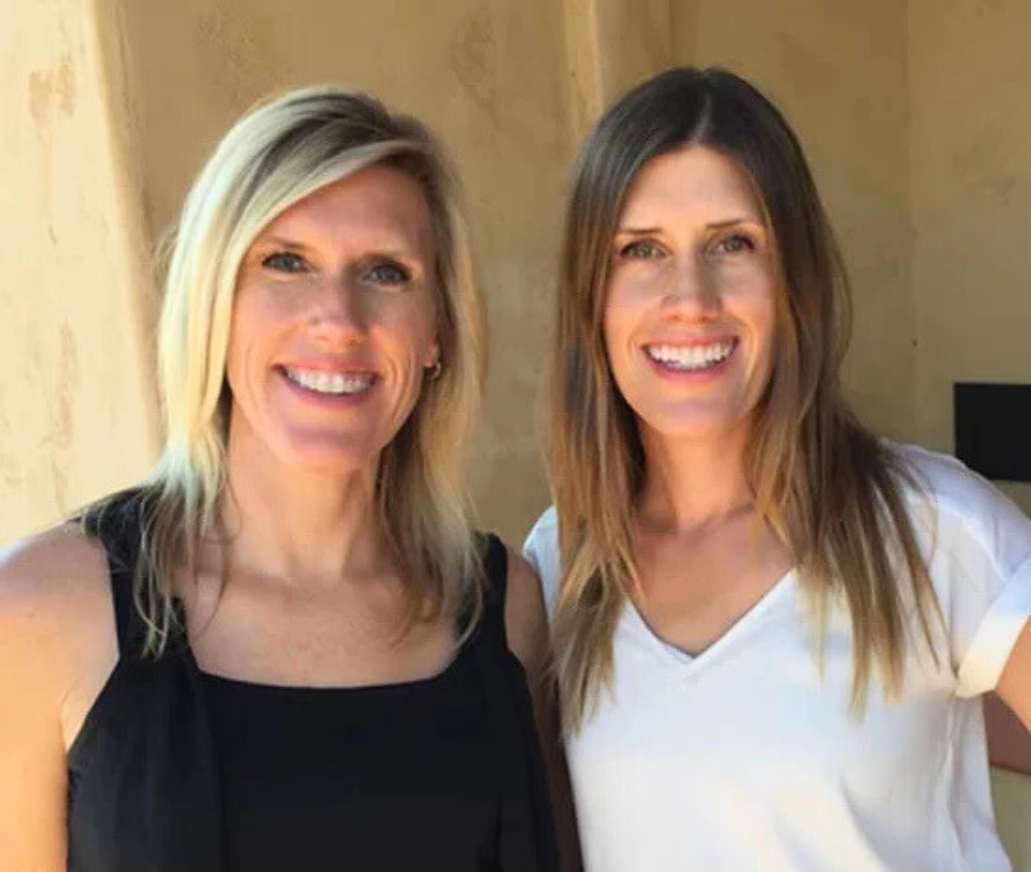
Jen Swendseid and Lara Regan are experts in post-surgical recovery support and recovery product design, with lived, caregiving-rooted insight and more than a decade building Heart & Core, products shaped by patient feedback, clinical realities, and the everyday constraints of healing. Their value isn’t theoretical: it’s grounded in what actually happens after surgery, when comfort, mobility, and practical support systems matter most.
The Big Idea
The core theme is collective caregiving literacy: support works best when it’s specific, actionable, and designed to reduce burden. That includes physical burden (pain, swelling, limited mobility), systemic burden (insurance and access barriers), and relational burden, the exhausting work of managing other people’s feelings, offers, and expectations while you’re just trying to heal.
This is Beyond the Casserole thinking: moving past symbolic gestures and toward support that fits the situation. It’s also the difference between savior behavior and a true sidekick, someone who helps without centering themselves, doesn’t need credit, and understands that clarity is a form of respect (and sometimes the kindest thing you can offer).
Key Takeaways
- Translate empathy into logistics. If recovery is hard enough, comfort should be a given, not another problem to solve at 2 AM.
- Be specific when you offer help. Replace “Let me know if you need anything” with a concrete option: “I can take the kids for two hours on Tuesday or Thursday. What works?”
- Reduce emotional labor with clarity. The person recovering shouldn’t have to plan your kindness, manage your feelings, or write your to-do list.
- Design (and support) for real-life variance. Bodies change during recovery; swelling happens; mobility can be limited; needs vary widely.
- Treat support as a skill, not an instinct. Community care improves when we learn better language, better tools, and better follow-through.
Tools, Strategies, or Frameworks Mentioned
- Sidekick Support Model: Show up in ways that reduce burden without taking control or making it about you. Offer options, do the follow-through, and don’t demand emotional performance in return.
- Permission Slips: A practical mindset tool: give yourself permission to ask for what you need (and to decline what you don’t). In recovery terms, this looks like: “I can’t host visitors today,” or “Please don’t ask me to decide. Pick a time and drop it off.”
- Casserole Hotline: A shorthand for redirecting vague or misaligned help into something actually useful. The point isn’t rejecting care; it’s channeling it into the right kind of support at the right time (and yes, possibly fewer lasagnas).
- Toxic Positivity Bingo: A way to call out cultural platitudes that bypass reality. When support turns into forced optimism, it often increases isolation and survivorship emotional labor instead of reducing it.
- Access strategy: A practical pathway is to use local fitting shops that can bill insurance directly when possible, reducing administrative burden for patients who are already juggling enough.
Final Thoughts
A good support system is built on small, specific actions that respect dignity. Sometimes that looks like a bra designed for drains and swelling. Sometimes it looks like a friend who doesn’t ask you to “reach out if you need anything,” but instead quietly becomes the sidekick who handles what needs handling.
“We try to be a resource. And sometimes it's not our bras. We want to be a resource. We want to help you out, and how, whatever that looks like, in sizing, in insurance information, and we know the market pretty well.” — Jen Swendseid
“Every time I talk to someone about it, even when we were, even a handful of years ago, before we've really made some big moves recently, it's just telling our mom story. You tell the story, and you're reminded all over again.” — Lara Regan
.jpg)

