Ep 3. Let Me Know If You Need A Care Package


Functional Gifting and the Future of Meaningful Support During Cancer and Caregiving
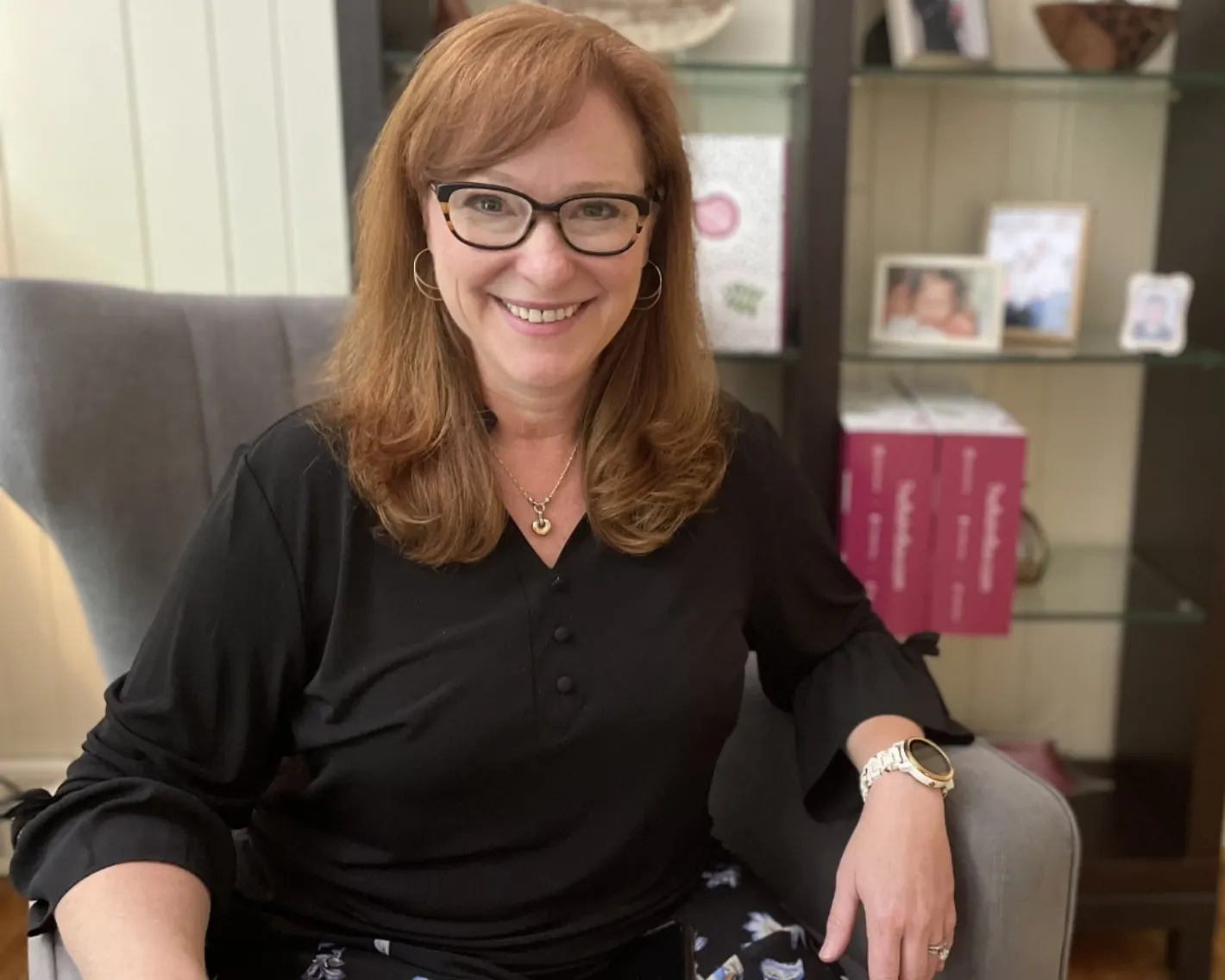
Amy Steinhour and Kristen Beck host Let Me Know If You Need a Podcast, where they get honest about what support really looks like when life gets hard, and why so much of what we default to offering doesn’t actually help. In this conversation, they unpack functional gifting with expert guest Liz Benditt, a six-time cancer survivor and President and CEO of The Balm Box, who knows firsthand that people mean well… and still often miss the mark.
Liz walks through the arc of her health journey, beginning with her first diagnosis in 2009, and surfaces a pivotal insight: support works best when it’s built around what the person going through treatment actually needs, not what supporters hope will feel uplifting. (Good intentions don’t automatically translate into good outcomes, an uncomfortable but important truth.)
That lived experience became the foundation for The Balm Box: care packages designed around utility, comfort, and dignity rather than inspirational messaging. Liz references survey data from over 500 respondents showing that cancer patients consistently rate functional, practical items higher than “pink” merchandise, trinkets, or motivational gifts, items that often feel more awkward than helpful once treatment actually starts.
As the business has grown, The Balm Box has expanded into multiple boxes tailored to treatment phases and specific diagnoses, with plans to deepen wholesale distribution and explore new categories beyond cancer, such as major surgeries, bereavement, divorce, and other moments where community care tends to default to well-worn (and not always useful) rituals.
Meet the Expert
The Big Idea
Most people want to help, but they don’t know how to help well.
Functional gifting reframes community care by focusing on what reduces friction in daily life during illness. Instead of symbolic encouragement or inspirational items, it prioritizes tools that support comfort, symptom management, and dignity, because sometimes what’s most loving is also deeply unglamorous.
This approach challenges toxic positivity and the emotional labor of kindness by replacing generic gestures with clear, patient-led support. In other words: fewer assumptions, more listening, and far less pressure on the person who’s already having a hard day.
Key Takeaways
- Ask what’s needed, not what looks supportive. The best gifts are guided by patient reality, not donor assumptions (or panic-driven Amazon searches).
- Functional beats inspirational. Practical items consistently outperform trinkets, slogans, and pink merchandise in patient feedback.
- Support should reduce emotional labor. Vague offers can make the patient manage the helper; clear action restores agency.
- Different stages require different care. Chemo, radiation, surgery recovery, and post-treatment life each create distinct needs.
- The model can expand beyond cancer. The same logic applies to major medical events, grief, and other life disruptions where people want to help, but don’t quite know how.
Tools, Strategies, or Frameworks Mentioned
- Functional Gifting: Care built around symptom-level practicality (comfort, skin care, recovery tools, fatigue support).
- Patient-Led Research: Survey insights from 500+ responses identifying what helps vs. what misses the mark.
- Beyond the Casserole (umbrella concept): Moving past default rituals toward intentional support.
- Sidekick Support Model: Support without savior behavior, showing up without fixing.
- Permission Slips: Language that normalizes boundaries and self-advocacy during illness.
Final Thoughts
Functional gifting is about being useful, respectful, and real. If you want to show up for someone going through cancer, caregiving, or recovery, don’t default to what’s traditional. Choose what’s practical. The most meaningful support is often the simplest: the thing that makes tomorrow easier.
“There’s this huge disconnect between what people want and need and what they’re getting.” — Liz Benditt
Check out Liz's Cancer Care Balm Box at GiftWellSoon.

.jpg)