Ep 7. Let Me Know If You Need A Community


Caregiving is often framed as an instinctive act of love, but living inside it day after day reveals a different reality. Beneath the casseroles and well-intentioned check-ins is a heavy accumulation of emotional labor, logistical decision-making, and quiet exhaustion. Caregivers are expected to be resilient, grateful, and endlessly capable, even as their own needs steadily disappear from view. The unspoken question at the center of caregiving remains: who is caring for the caregiver?
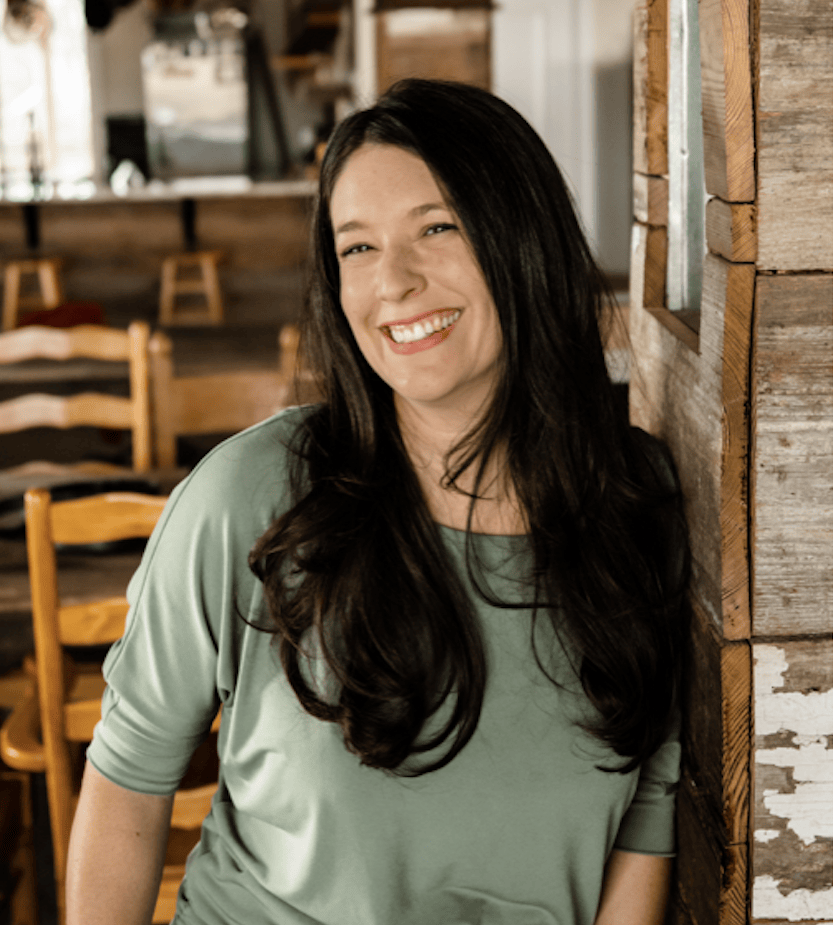
That question sits at the heart of the work of Niki Staab, an end-of-life doula and the founder of Rings of Care. Her path into this work began with the death of her grandmother, a moment that exposed how little guidance families often receive during end-of-life care. Faced with fear, uncertainty, and silence, Niki learned firsthand how meaningful presence, touch, and advocacy can transform the final days of a loved one’s life. That experience became the foundation for a broader mission: helping families feel less lost, less alone, and more supported when it matters most.
Rings of Care is built around a practical yet deeply human framework known as Ring Theory. The model places the person in need at the center, surrounded by caregivers and wider circles of support whose role is to care for those closer to the center. Instead of one overwhelmed individual trying to manage everything, responsibility is shared intentionally. The organization complements this approach with hands-on workshops and a shared calendar system that allows caregivers to clearly request help for specific tasks, from meals and rides to laundry and childcare.
At a broader level, this work challenges how society talks about death, illness, and support. Avoidance, toxic positivity, and last-minute scrambling leave caregivers isolated and depleted. Normalizing conversations about death, planning ahead, and asking for help before a crisis hits can radically change the caregiving experience. When care is proactive, structured, and communal, dignity is preserved for everyone involved. Caregiving stops being a private endurance test and becomes what it was always meant to be: a shared human responsibility.
Meet the Expert
The Big Idea
Caregiving fails when it relies on individual endurance instead of collective care.
The central opportunity explored here is the shift from crisis-driven, vague support to proactive, organized community care. Caregivers are often surrounded by people who want to help but do not know how, while caregivers themselves struggle to ask without guilt, fear, or exhaustion. This dynamic reinforces isolation at the exact moment connection is most needed.
By building systems that normalize asking for help, distribute emotional labor, and create permission slips for boundaries, caregiving becomes sustainable. Support stops being a one-time casserole moment and becomes an ongoing structure. The result is better care for the person at the center and a healthier, more resilient caregiver ecosystem around them.
Key Takeaways
- Caregivers need proactive support, not reactive sympathy. Waiting until a crisis hits often means help arrives too late or in unhelpful forms.
- Clarity is kindness. Specific tasks and defined roles reduce emotional labor and make it easier for communities to show up well.
- Supporting the caregiver improves outcomes for everyone. When caregivers are resourced, the person receiving care benefits directly.
- Community care is ancient; doing it alone is a new experiment. Collective caregiving has always worked better than individual heroics.
Boundaries are not selfish. They are a necessary form of care that protects both the caregiver and their relationships.
Tools, Strategies, or Frameworks Mentioned
- Rings of Care Model
A community-based caregiving framework inspired by ring theory. The person in need is at the center, surrounded by rings of supporters whose role is to support the person in the ring closer to the center. Care flows inward; stress flows outward. Simple in concept, transformative in practice.
- Shared Care Calendars
A free, private tool that allows caregivers to list specific tasks such as meals, rides, laundry, childcare, or pet care. Supporters opt into tasks they can realistically handle, increasing follow-through and reducing burnout on both sides.
- Vigil and Support Planning
Intentional conversations about preferences, boundaries, and needs before a crisis. This includes who is present, how care is delivered, and how caregivers are supported emotionally and physically.
- Permission Slips for Asking
A mindset shift that reframes asking for help as an act of leadership and self-advocacy, not failure. Caregivers are encouraged to be specific, early, and unapologetic. (Revolutionary, but also necessary.)
Final Thoughts
Caregiving is an act of love, but love alone is not a system.
When support is structured, shared, and emotionally intelligent, caregiving stops being a quiet endurance test and becomes a collective practice of care. The work of supporting caregivers is foundational because when the caregiver is held, the entire circle is stronger.
As one guiding truth reminds us: support isn’t just showing up once. It’s staying in the room long enough to make care sustainable.