Ep 6. Let Me Know If You Need A Caregiver


Caregiving is often treated like a private family matter until it stops being theoretical and becomes your life. The PBS documentary Caregiving, produced by Bradley Cooper and narrated by Uzo Aduba, pulls the curtain back through intimate stories that span spouses, adult children, and youth caregivers, showing how caregiving can reshape an entire household without anyone outside it fully realizing what’s happening.
Across these caregiver journeys, the documentary highlights the full-stack strain: emotional, financial, and physical. It captures the ‘no end in sight’ reality that long-term caregivers face, where the default plan becomes, ‘I’ll just keep going.’ It also exposes how much caregiving includes invisible work: researching care options, navigating the medical system, advocating for services, and managing constant logistics—basically running a small operations team with zero staff and no PTO. (Totally normal. No notes.)
A quote attributed to Rosalynn Carter grounds the documentary’s central truth: caregiving is universal. In other words, no one is exempt. And that universality is exactly why caregiving deserves collective caregiving literacy: clearer language, better planning, and more honest conversations about what support actually requires.
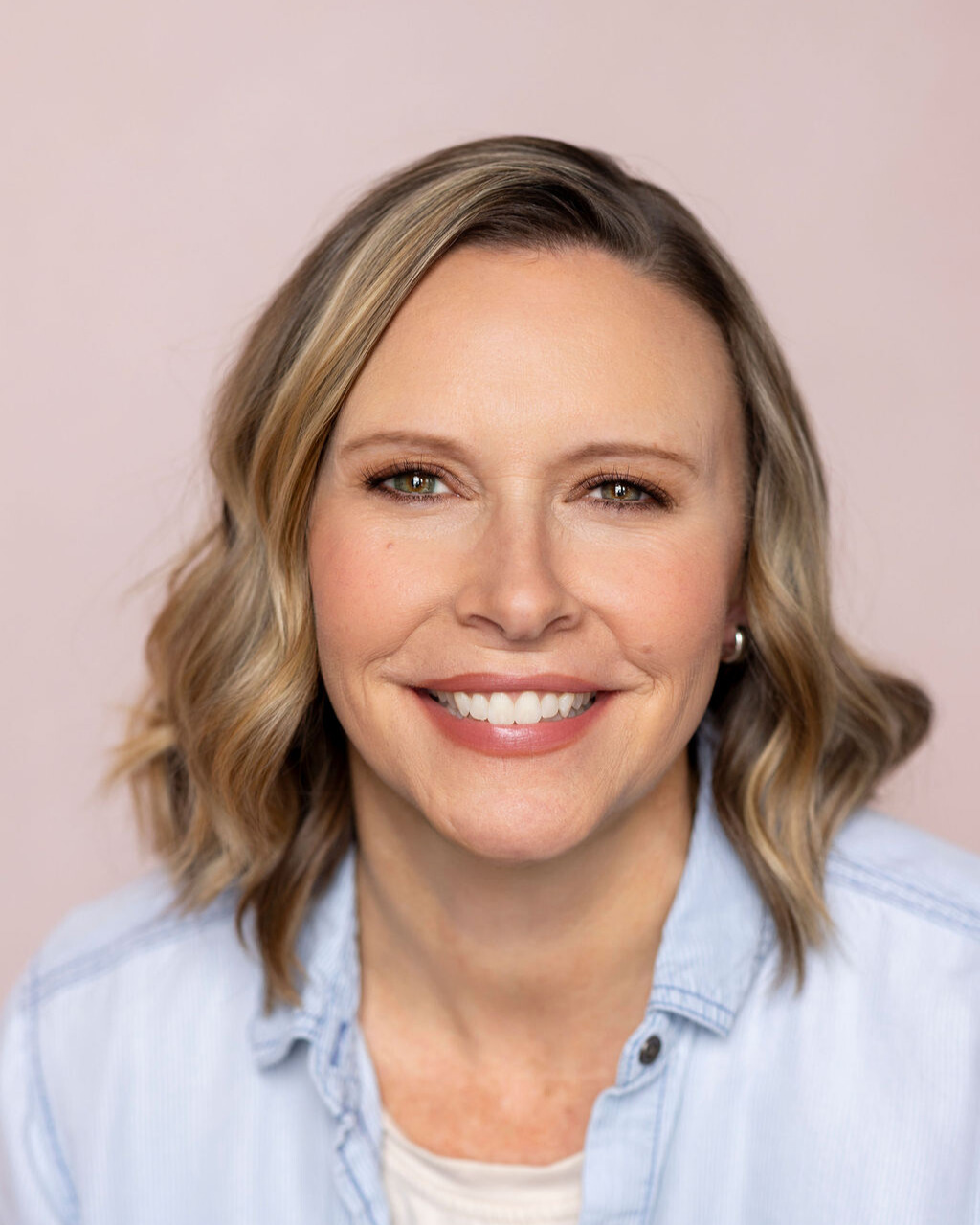
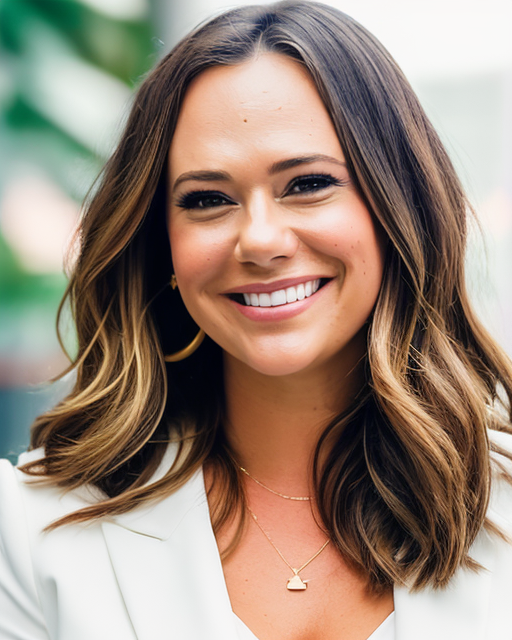
Ultimately, the documentary points to the same gap: caregiving is widely expected but poorly supported. Amy and Kristen emphasize how caregivers often feel invisible, how society normalizes their exhaustion, and how resources rarely match the scale of need. The antidote isn’t more vague kindness; it’s meaningful support and asking for help without guilt.
Meet the Expert
The Big Idea
The core theme is caregiving literacy: caregiving is universal, and sustainable caregiving requires clear, meaningful support. The opportunity is to shift from performative empathy to community-based support models that actually reduce caregiver fatigue.
The major challenge explored is the gap between what caregivers need and what they typically receive:
- Caregivers often feel invisible.
- Many don’t ask for help due to guilt, identity roles (daughter/son/spouse vs. caregiver), or fear of being a burden.
- Support systems drift away when care becomes chronic instead of acute.
- Workplaces and communities frequently underestimate how much caregiving reality affects focus, health, finances, and relationships.
The documentary pushes a simple but uncomfortable truth: none of us is getting out of this. Rosalynn Carter’s framing lands because it strips away denial: people have been caregivers, are caregivers, will be caregivers, or will need caregivers. It’s universal from birth to death. (Which is both profound…and mildly rude.)
Key Takeaways
- Treat ‘Let me know if you need anything’ as a starting point, not a solution. Offer specific, actionable help (meals, school pickups, errands, lawn care, appointment rides).
- Plan for the ‘no end in sight’ scenario. Long-term caregiving needs backup plans, respite, and contingency thinking for when the caregiver gets sick or burned out.
- Caregiver burnout is predictable. Without breaks, boundaries, and support systems, burnout is the default outcome.
- Name the hidden work: emotional labor + logistics + finances. Caregiving is researching, scheduling, advocating, and navigating the medical system.
Normalize asking for help as a strength. The oxygen-mask rule applies here: sustainable caregiving requires self-advocacy and permission to receive support.
Tools, Strategies, or Frameworks Mentioned
- Beyond the Casserole
A mindset shift: support isn’t just food or kind words; it’s relief. Meals help, but so do concrete tasks that reduce cognitive load and time pressure.
- Sidekick Support Model
Support that stays human: show up as a steady presence without trying to fix the situation. The goal is relational resilience.
- Permission Slips
A repeatable boundary and self-advocacy framework: giving yourself explicit permission to ask, say no, delegate, and protect your health without guilt. (Caregiving doesn’t award medals for silent suffering.)
- Toxic Positivity Bingo
A humor-forward critique of platitudes that shut down real needs. It’s a way to call out phrases that sound supportive but often function as emotional avoidance.
- Casserole Hotline
A recognizable anchor concept for practical, specific help. An easy shorthand for “don’t just offer; follow through.”
- Meaningful support language (micro-strategy)
Replace vague offers with choices: “I’m going to the store—what are three things you need?” “Can I take Tuesday pickup or Thursday dinner?” “Do you want company, a task, or quiet help?”
Final Thoughts
Caregiving reality is a public health issue, a workplace issue, and a community care issue. The documentary Caregiving makes the invisible visible: the exhaustion, the tenderness, the identity shift, the loneliness, and the resilience. The most useful next step is not admiration, but action.
If you want to support someone in your life, don’t make them translate your kindness into a task list while they’re already running on fumes. Reach out with something real, specific, and doable.
Memorable takeaway:Asking for help isn’t a weakness; it’s what makes caregiving sustainable and human.
Try GiftWellSoon if you know someone who could use some help.