What My First Chemo Session Actually Taught Me About Getting Ready



I spent the week before my first infusion googling “what to bring to chemo” like it was a packing list for a trip I hadn’t chosen to take. I made lists. I researched side effects. I thought if I prepared enough, I could out-plan how hard it was actually going to be.
I couldn’t. Nobody can, entirely. But some of what I packed, expected, and leaned on turned out to matter more than I guessed and some of what I worried about most barely registered. Here’s what I’d actually tell someone getting ready for their first round.
What I Expected vs. What Actually Happened
I knew, clinically, that chemo targets rapidly dividing cells and that healthy cells get caught in the crossfire causing the usual suspects to render their ugly heads: nausea, fatigue, hair loss. Knowing that in the abstract and feeling it in your own body are two different things. The side effects weren’t the surprise. The timing was: some hit within hours, some crept in three days later, and no two cycles behaved exactly the same way.
What I Actually Packed (After Getting It Wrong Once)
My first chemo bag was overpacked with things I never touched and missing things I desperately needed. By round two, it was down to the essentials: comfortable layers I could adjust as the room temperature and my own body temperature disagreed with each other, ginger chews for the nausea that showed up faster than I expected, a phone charger long enough to reach the chair, and something mindless to watch or listen to for the hours I’d be sitting there. A cozy blanket wasn’t optional because infusion rooms are cold in a way that feels almost intentional.
Managing Side Effects: What Actually Helped
Staying hydrated and eating small, frequent meals did more for me than I expected going in. My oncology team prescribed anti-nausea medication, and I learned quickly not to be a hero about taking it by waiting until I felt sick was always worse than staying ahead of it. Every patient's chemistry is different, so what worked for me was really a starting point, not a formula.
Leaning on My Support System (Even When It Felt Hard)
Chemo is emotionally exhausting in a way that sneaks up on you between the physical symptoms. I had to get better at actually accepting help instead of just tolerating offers of it like someone to sit with me during infusions, a group chat for the days I didn’t have words, an online support community for the 2am worries I didn’t want to say out loud to people who loved me. Asking felt hard every single time. It was still worth doing.
The Self-Care That Actually Mattered
Gentle movement on the days I had energy for it, a few minutes of mindfulness on the days I didn’t, and paying real attention to nutrition all helped more than any single product did. None of it made treatment easy. It gave me just enough of a baseline to keep going.
Chemo Brain Is Real, and It's Not Your Fault
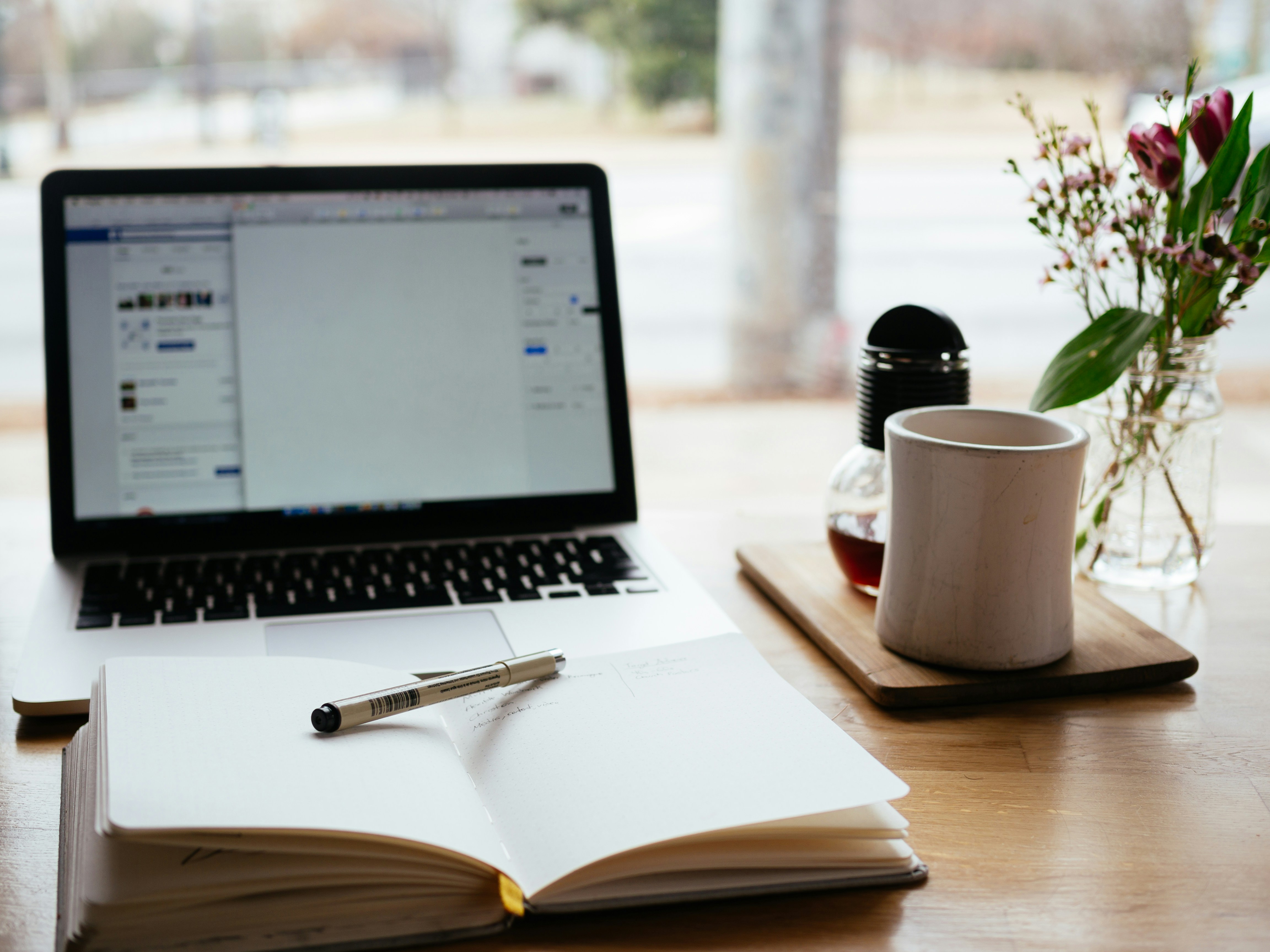
Nobody warned me how much treatment would affect my focus and memory. Keeping a simple journal, setting reminders for absolutely everything, and giving myself permission to rest instead of pushing through the fog helped more than trying to will my way back to sharp.
Planning for the Days After
The days immediately following a session often hit harder than the session itself; fatigue and nausea that can linger for several days. Having easy meals already prepped, childcare arranged in advance, and a friend who’d check in without being asked made those days survivable instead of just endured.
What I'd Tell Someone Starting Their First Round
You cannot plan your way out of how hard this is going to be. But you can build a few things in advance. What you pack, who you lean on, how you plan for the days after make the hardest parts a little more bearable. That was true for me. I hope some of it is true for you too.
You don’t have to face chemo alone
At GiftWellSoon, we make it easier to prepare for treatment and build the support system you deserve. From curated chemo care packages to practical resources for every stage of your journey, we're here to help you — and the people who love you — show up with confidence.
Explore chemo care resources on GiftWellSoon →
FAQ
What should I bring to my first chemo session?
Pack comfortable, layerable clothing, a cozy blanket, ginger chews or hard candy for nausea, a phone charger with a long cord, and something to occupy your mind during infusion hours. Most first-timers overpack, but you'll figure out what you actually use by round two.
What are the most common chemotherapy side effects?
Nausea, fatigue, hair loss, and “chemo brain” (difficulty concentrating or remembering details) are among the most common, though timing and severity vary by person and by regimen. Side effects can also shift from one cycle to the next.
How do you deal with chemo brain?
Keeping a simple journal, setting reminders for tasks and appointments, and allowing extra time to rest can help manage the memory and focus issues that come with treatment. It's a real, common side effect and not a personal failing.
How should I plan for the days after a chemo session?
Prep easy-to-make meals in advance, arrange childcare if needed, and ask a friend to check in during the days following treatment, when fatigue and nausea often linger longer than the session itself.
You Don't Have to Face Chemo Alone
At GiftWellSoon, we make it easier to prepare for treatment and build the support system you deserve. From curated chemo care packages to practical resources for every stage of your journey, we're here to help you — and the people who love you — show up with confidence.